
Middle School Portfolio

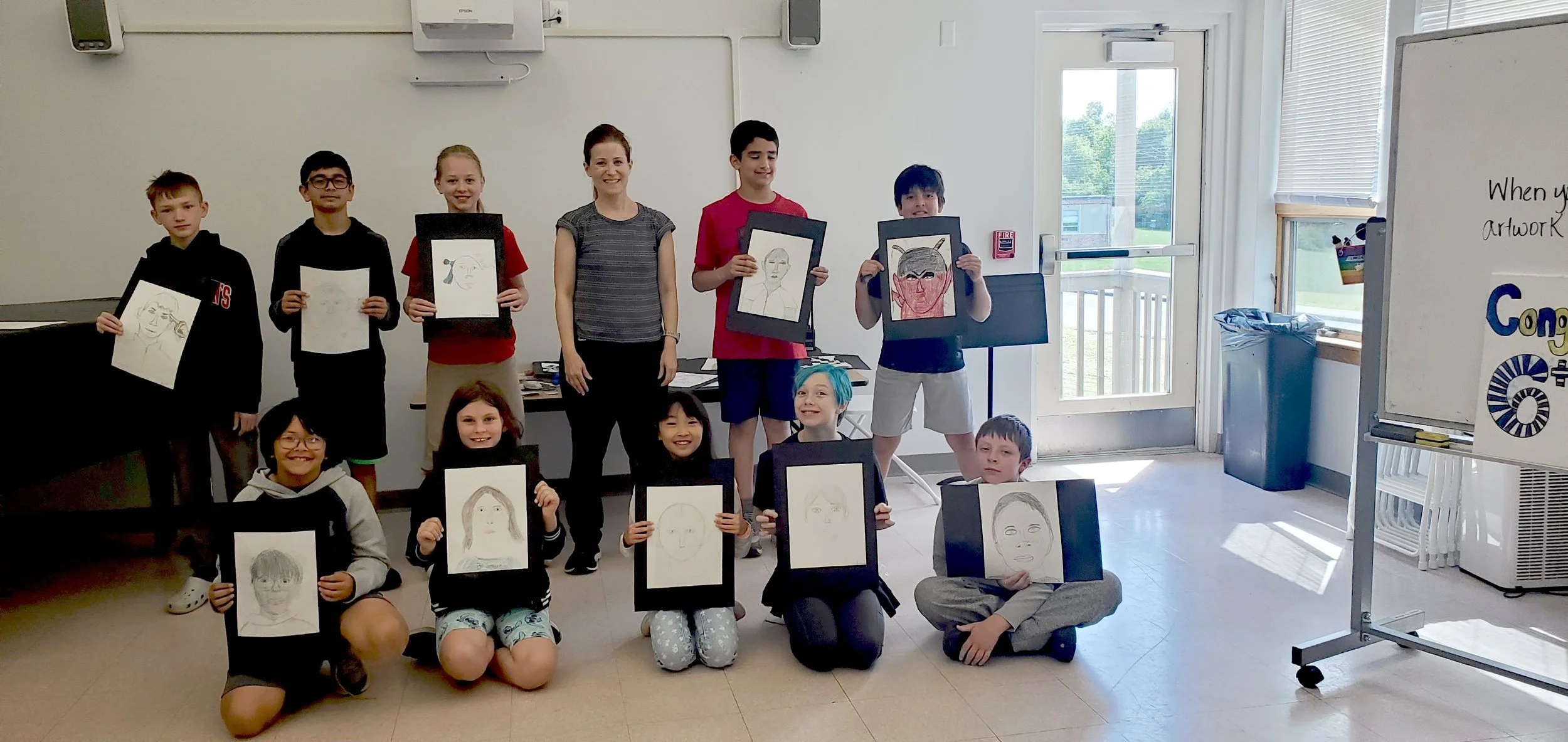
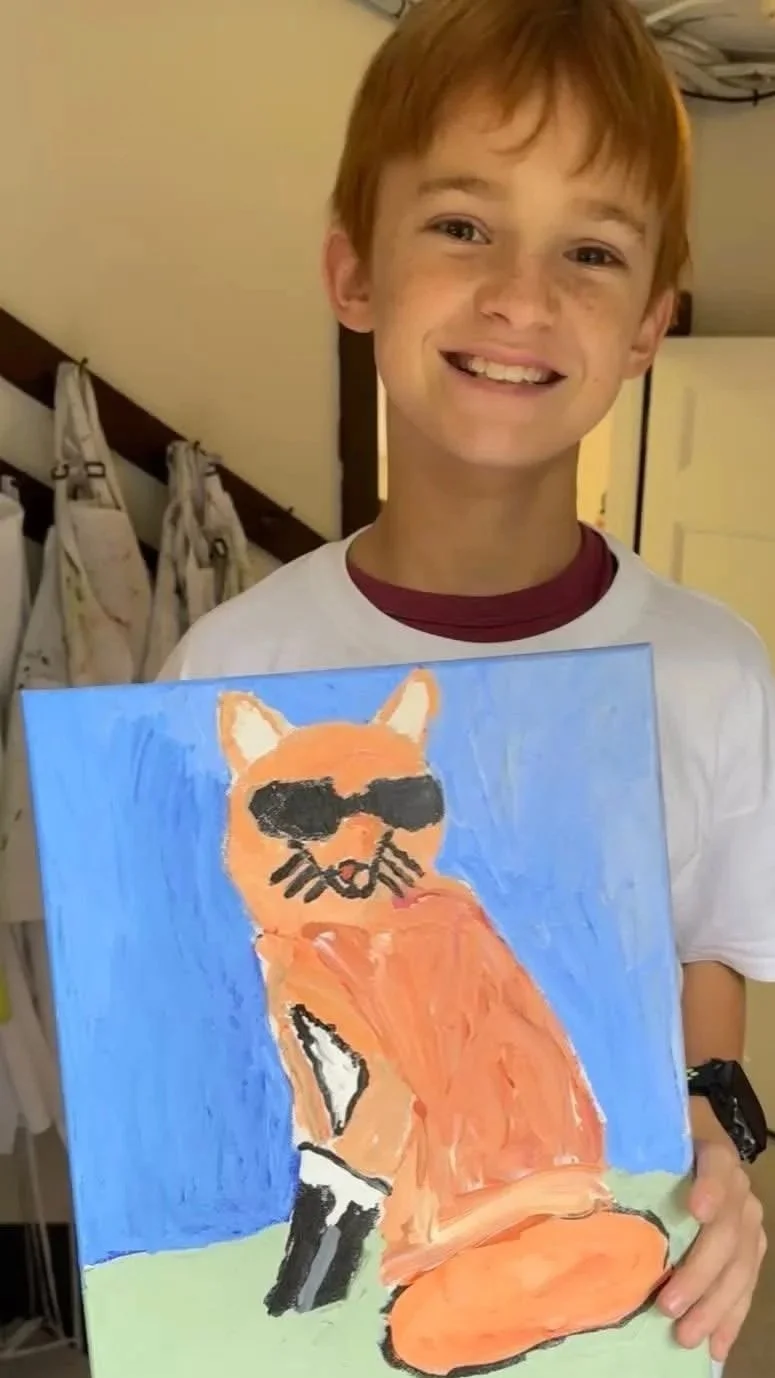
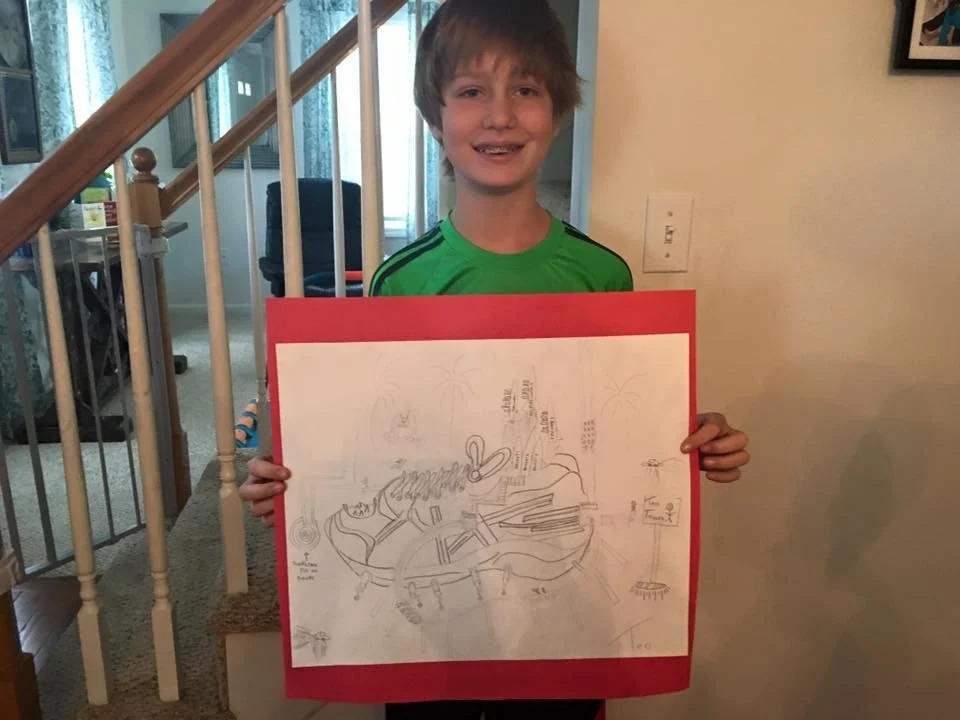
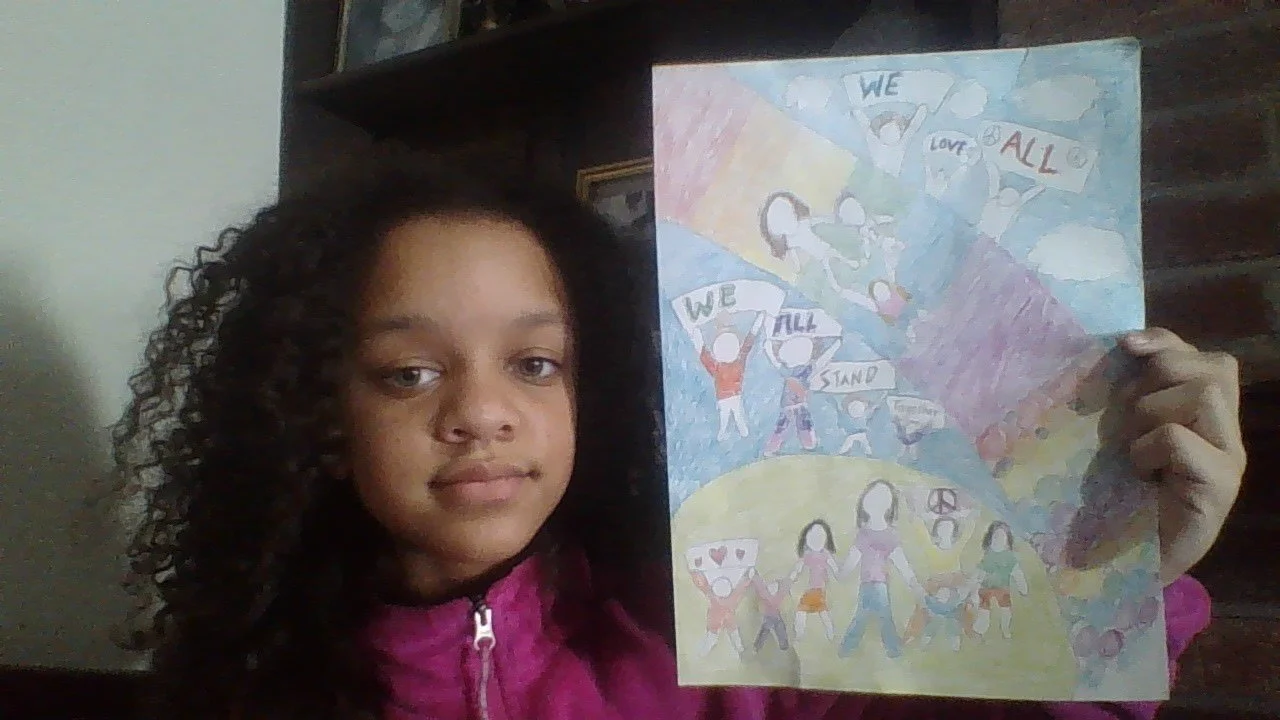
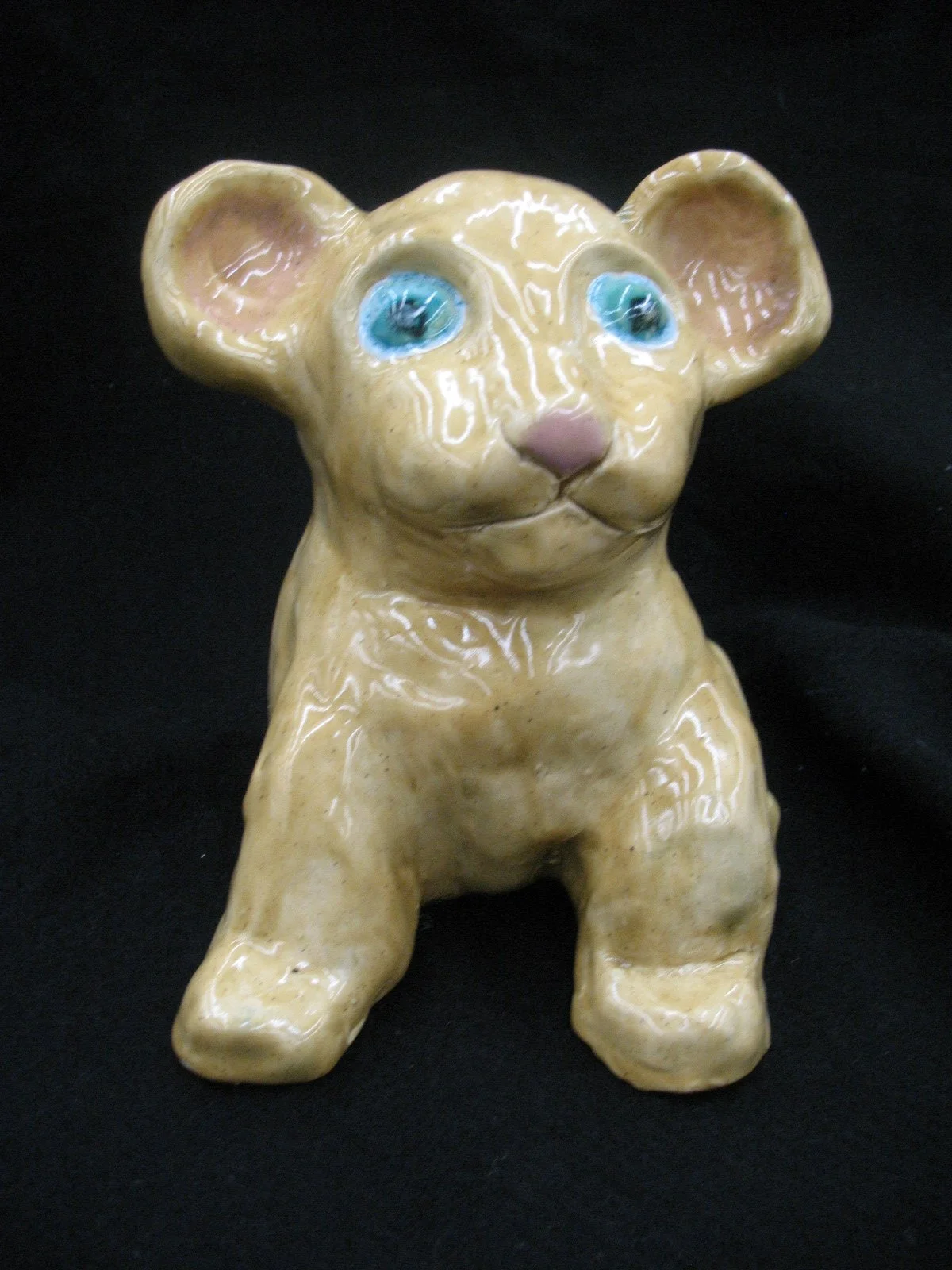
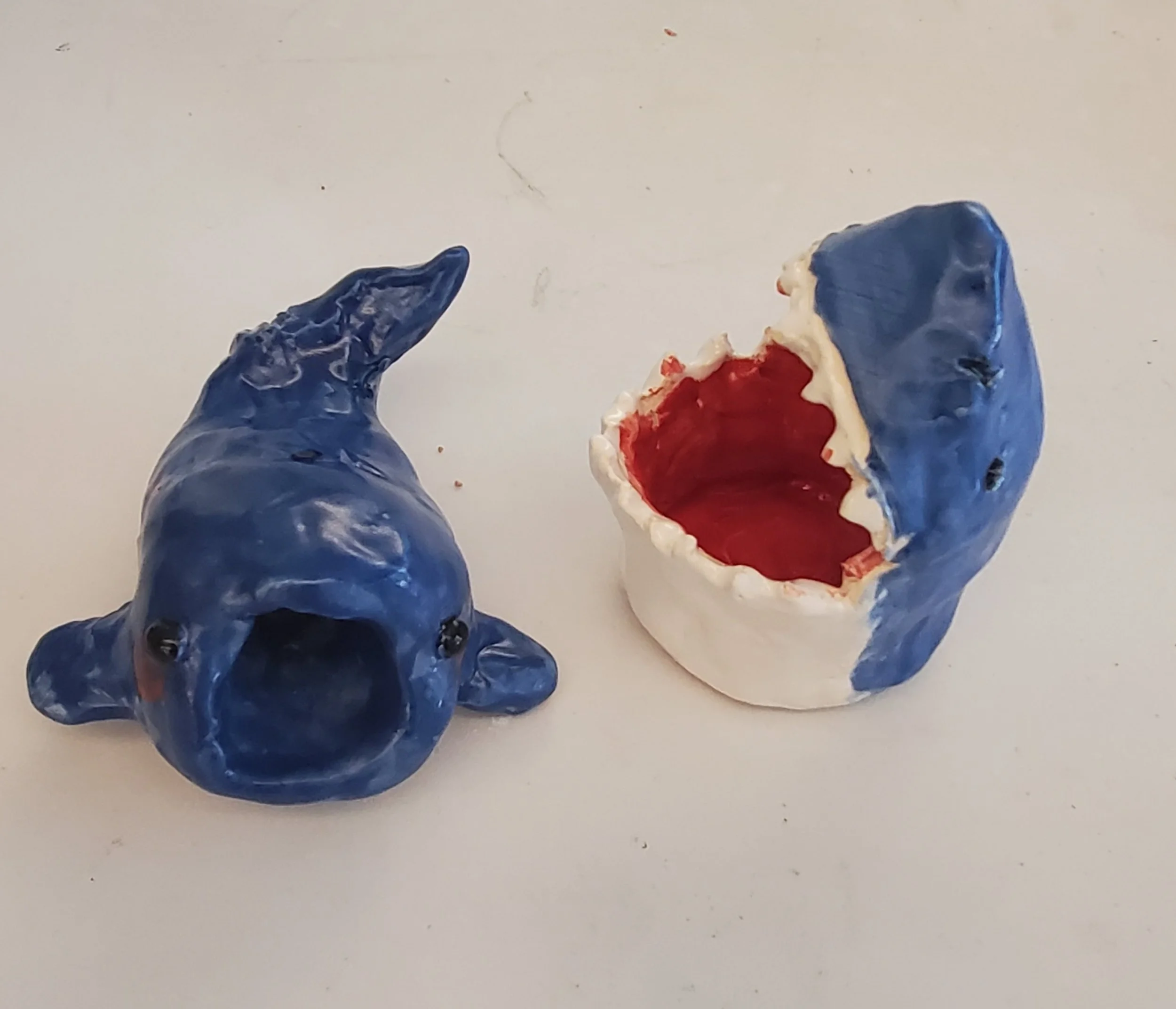
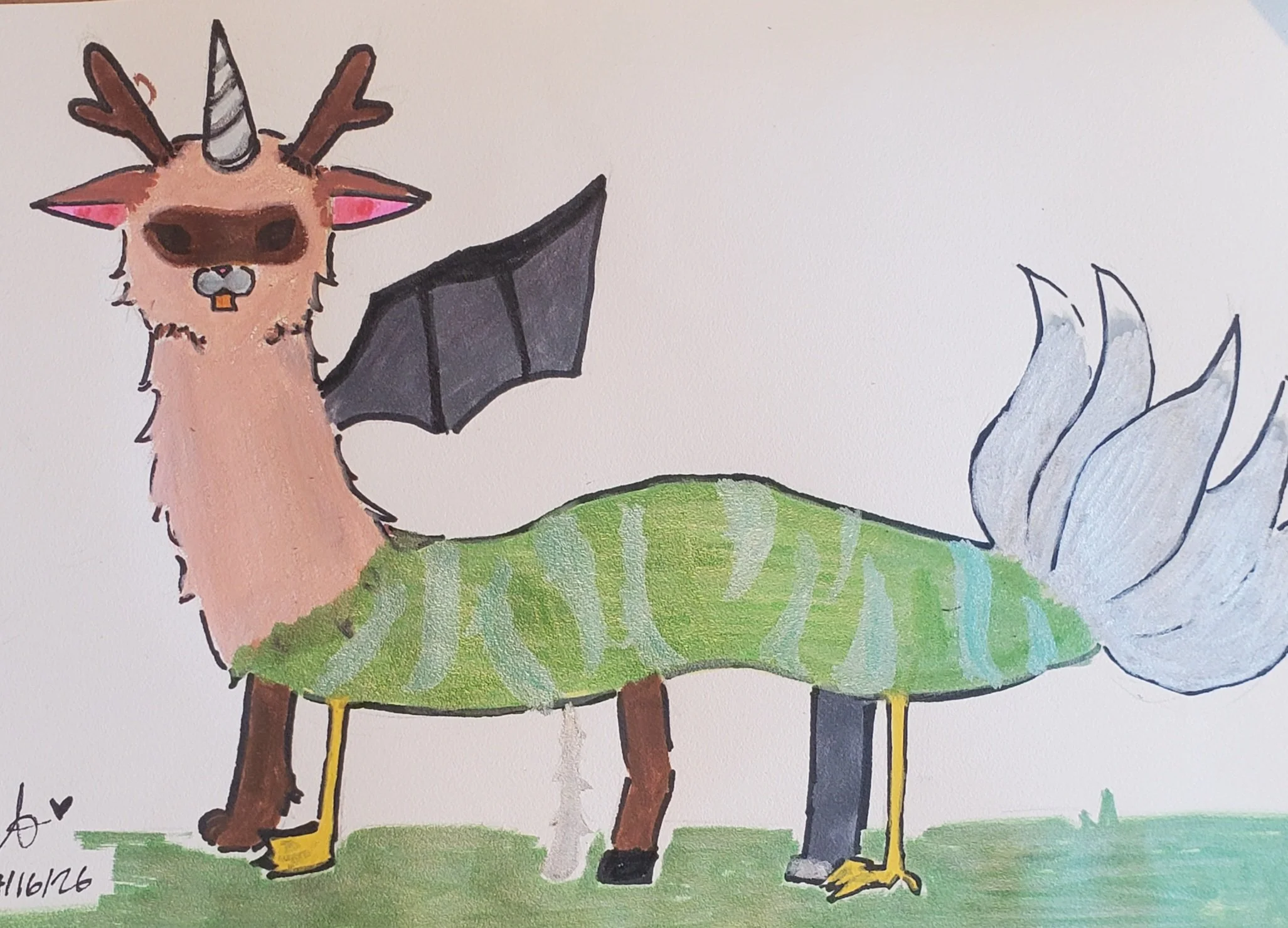
MIDDLE SCHOOL ART: CARTOONING UNIT
Three-Lesson Unit: Cartoon Superhero, Superhero World, and Never-Before-Seen Vehicle
This three-lesson cartooning unit develops character design, visual storytelling, environment, invention, and problem-solving. Students move from designing an original character to creating that character’s world, and then to inventing a vehicle designed for it.
DIFFERENTIATED LEARNING
Students work toward the same essential concepts while choosing an appropriate level of challenge. Students may use guided shapes, reference images, visual steps, reduced detail, expanded detail, or independent designs.
LESSON 1: CARTOON SUPERHERO
Students design an original cartoon superhero using simple shapes, expressive features, and visual details that communicate the character’s identity.
OBJECTIVES
• Build a character using basic shapes and proportions.
• Use line, shape, facial features, and body language to communicate personality.
• Develop an original superhero rather than copying an existing character.
DIFFERENTIATED LEARNING
Beginning: Use shape guides and a simple body pose.
Developing: Vary proportions, poses, costumes, and facial expressions.
Extending: Add action, symbolism, or a distinctive visual style.
VOCABULARY
Proportion
Expression
Character
ELEMENT OF ART
Line
PRINCIPLE OF DESIGN
Emphasis
ARTIST CONNECTION
Molly Mendoza is a contemporary illustrator and author whose bold characters and graphic shapes demonstrate expressive visual storytelling.
PROCESS
Choose a superhero name, power, and personality.
Sketch the body using simple shapes and an expressive pose.
Design a costume, facial expression, and identifying symbol.
Refine the strongest lines and add color or value.
ASSESSMENT
Students create an original character whose pose, costume, and expression communicate a clear identity.
STUDENT PLANNER
Name
Power
Personality
Pose
Costume
Symbol
Three visual details
RUBRIC
4 – I independently created an original character and added thoughtful details.
3 – I created an original character using the skills taught.
2 – I completed the character with some assistance.
1 – I am beginning to develop the skills needed to create a character.
LESSON 2: WHERE THE SUPERHERO LIVES
Students design a setting that communicates where their superhero lives and shows how the environment connects to the character’s story.
OBJECTIVES
• Create a setting using foreground, middle ground, and background.
• Use size and placement to communicate space.
• Connect environmental details to the superhero’s story.
DIFFERENTIATED LEARNING
Beginning: Create a simple three-level setting with 5–7 objects.
Developing: Add perspective cues and architectural or natural details.
Extending: Create a complex environment with visual storytelling and atmospheric effects.
VOCABULARY
Setting
Perspective
Scale
ELEMENT OF ART
Space
PRINCIPLE OF DESIGN
Balance
ARTIST CONNECTION
Seth Fisher was an illustrator known for imaginative environments and detailed visual storytelling.
PROCESS
Identify three things that must exist in the superhero’s world.
Place the largest or nearest forms first.
Add middle and distant forms using size, overlap, and placement to show space.
Add details that reveal the superhero’s life, power, or community.
ASSESSMENT
Students create a readable setting with spatial depth and at least three details connected to the superhero.
STUDENT PLANNER
Place
Climate
Important building or landmark
Three story details
Foreground
Background
RUBRIC
4 – I independently created a detailed setting with strong spatial depth and storytelling.
3 – I created a setting with clear space and details connected to my character.
2 – I created a setting with some assistance.
1 – I am beginning to develop the skills needed to show setting and space.
LESSON 3: NEVER-BEFORE-SEEN SUPERHERO VEHICLE
Students invent an original vehicle by combining transportation features into a functional design that could move their superhero through an imagined world.
OBJECTIVES
• Combine at least 10 transportation features into one original design.
• Use shape, line, and proportion to communicate function.
• Explain how the vehicle’s features solve transportation problems.
DIFFERENTIATED LEARNING
Beginning: Select 10 transportation features from a visual feature bank and combine them into a simple vehicle.
Developing: Modify and connect features to create an original design.
Extending: Add controls, an energy source, safety features, and a labeled side or top view.
VOCABULARY
Invention
Function
Design
ELEMENT OF ART
Shape
PRINCIPLE OF DESIGN
Unity
ARTIST CONNECTION
Daniel Simon is a contemporary concept designer known for imaginative vehicle and transportation designs.
PROCESS
Brainstorm transportation features such as wings, wheels, submarine windows, tracks, sails, or helicopter blades.
Combine at least 10 features into one new vehicle.
Refine the design so the parts appear connected and functional.
Add color, labels, or a second view to communicate how the invention works.
ASSESSMENT
Students create an original vehicle with at least 10 identifiable transportation features and show a clear relationship between form and function.
STUDENT CHECKLIST
10 transportation features
Vehicle purpose
Energy source
Safety feature
Passenger or cargo space
Labeled drawing
RUBRIC
4 – I independently created an original vehicle and clearly explained how it works.
3 – I created an original vehicle using at least 10 transportation features.
2 – I completed the vehicle with some assistance.
1 – I am beginning to develop the skills needed to create and explain an original vehicle.
UNIT ASSESSMENT
Students demonstrate their ability to:
• Develop original characters and designs.
• Use line, shape, proportion, and space effectively.
• Create visual stories through characters and environments.
• Solve design problems through invention.
• Explain how artistic choices communicate ideas.
• Apply feedback and refine their work.